Vermont’s Covered Bridges: A Living Link to the Past
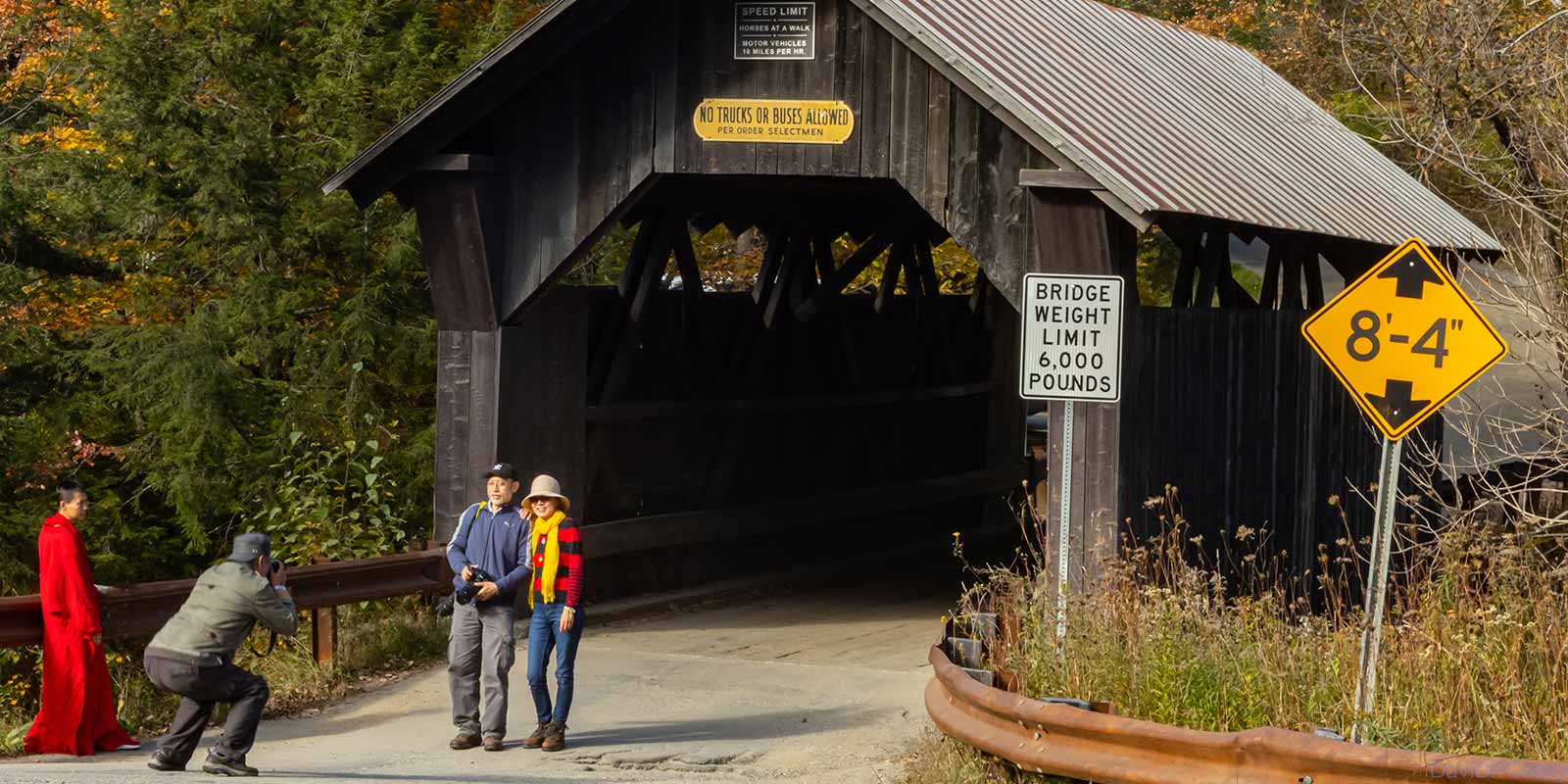
Vermont is home to more covered bridges per square mile than almost any other state in the nation. These iconic structures — painted red, weathered grey, or still showing fresh pine — span rushing streams and quiet meadows across nearly every county. They are more than picturesque landmarks; they are a direct connection to the way Vermonters built, traveled, and lived for generations.
Why Were They Covered?
The covering on these bridges had nothing to do with keeping travelers dry — though that was a pleasant side effect. The real reason was preservation. An uncovered wooden bridge might last ten years before rot and weather claimed it. A covered bridge, protected from rain and snow, could stand for well over a century. Vermont’s builders knew what they were doing, and the proof is still standing today.
How Many Are Left?
Vermont has approximately 100 historic covered bridges still standing, more than any other New England state. They are found in all corners of the state — from the Battenkill Valley in the southwest to the Northeast Kingdom. Many are listed on the National Register of Historic Places. Some remain open to traffic. Others have been bypassed by modern roads and now stand quietly in fields or parks, visited by hikers and photographers who seek them out.
Notable Bridges Worth Visiting
The Scott Covered Bridge in Townshend is the longest single-span covered bridge in Vermont at 166 feet. The Taftsville Bridge in Woodstock, built in 1836, is one of the oldest. In the Mad River Valley, the Warren Covered Bridge is a beloved landmark and a favorite spot for summer swimming. Each bridge has its own story, its own builder, and its own community that has kept it standing.
A Tradition Worth Preserving
Covered bridge preservation is taken seriously in Vermont. Local historical societies, state agencies, and volunteer groups work to maintain and restore these structures. When a covered bridge is damaged by floods — as several were during Tropical Storm Irene in 2011 — communities often rally to rebuild them true to the original design. These bridges are not relics to be looked at from a distance; they are living parts of Vermont’s landscape, meant to be crossed, admired, and passed on to the next generation.